New Posts to ExtremeTech on Oct 19, 2013:
------------------------------------------------------------------
1) Volvo develops battery-infused carbon fiber body panels
http://www.extremetech.com/extreme/168964-volvo-develops-battery-infused-carbon-fiber-body-panels
Volvo is working to replace the bulky batteries in EVs with structural panels composed of carbon fiber that hold a charge. This could make cars lighter and more well-balanced if the cost hurdles can be overcome.
------------------------------------------------------------------
2) ET deals: HP Chromebook 11 discount drops the price to $266
http://www.extremetech.com/deals/168971-et-deals-hp-chromebook-11-discount-drops-the-price-to-266
HP's Chromebook 11 is the newest iteration of these cloud-connected PCs and it looks to be firing on all cylinders. Right off the bat it nails two important criteria for a Chromebook: it's small and it's inexpensive. The HP CB11 is built around an 11.6-inch screen and measures just 0.69-inches at 2.3 lbs, small enough to slip into nearly any bag with negligible bulk added.
------------------------------------------------------------------
You are receiving this email because you signed up to receive Blog Alerts (email notifications of new posts) for ExtremeTech. If you no longer wish to receive Blog Alerts for ExtremeTech, go to this link:
http://shootthebreeze.net/blogalert/index.php?action=leave&r=66344&k=VV9RS36FJ7MRSHX9
==================================================================
Self storage facilities are cash cows!
http://hasslefreehouses.com/selfstorage
Sunday, 20 October 2013

Wednesday, 25 September 2013
Microsoft updates Power BI for Office 365 with data search, natural language querying, and 3D visualizations

Microsoft today announced an update to Power BI for Office 365 preview and Power BI in Excel. The former has received natural language search through Q&A while the latter, which consists of two Power BI add-ins in Excel (Power Map and Power Query), has gained improved data 3D mapping visualizations and data search, respectively.
For those who don’t know, Power BI is a set of tools that provide data query, mapping, modeling, and interactive charting usually built on top of Excel. Power Query and Power Map were previously known as Data Explorer and Geoflow, if those names ring a bell.
Microsoft says it is basically leveraging Bing’s expertise in big data, mapping, and machine learning to boost Power BI. First on that list is Q&A, which lets enterprise customers ask questions of their data and generate visual results in interactive charts or graphs:
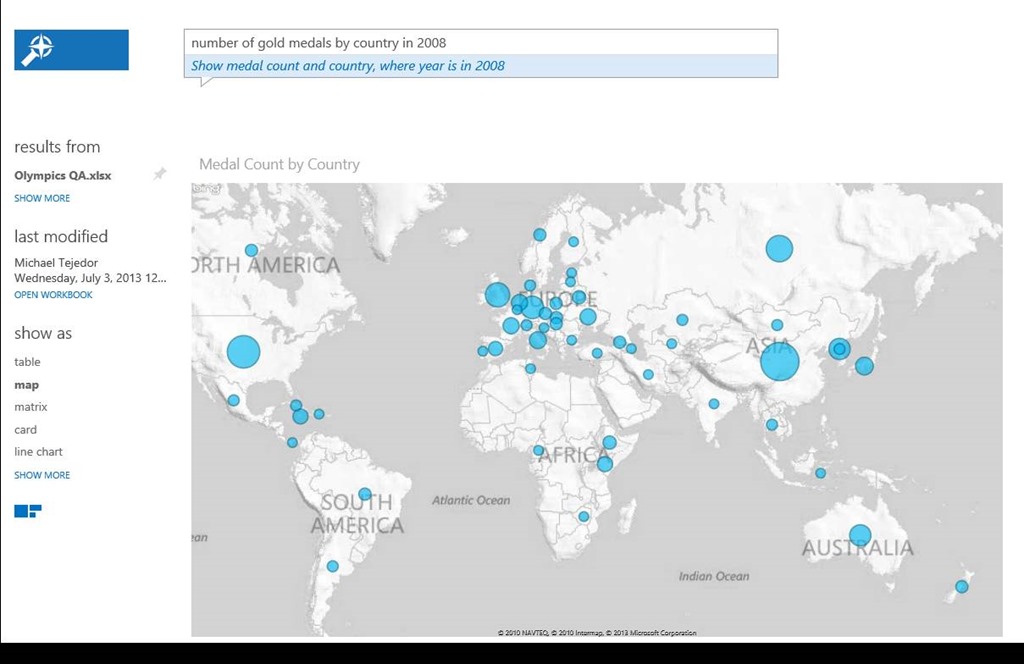
The example above shows how you can use Q&A to search an Olympics database to find the number of gold medals received by country in 2008. The result is automatically displayed in the form of a map-based visualization.
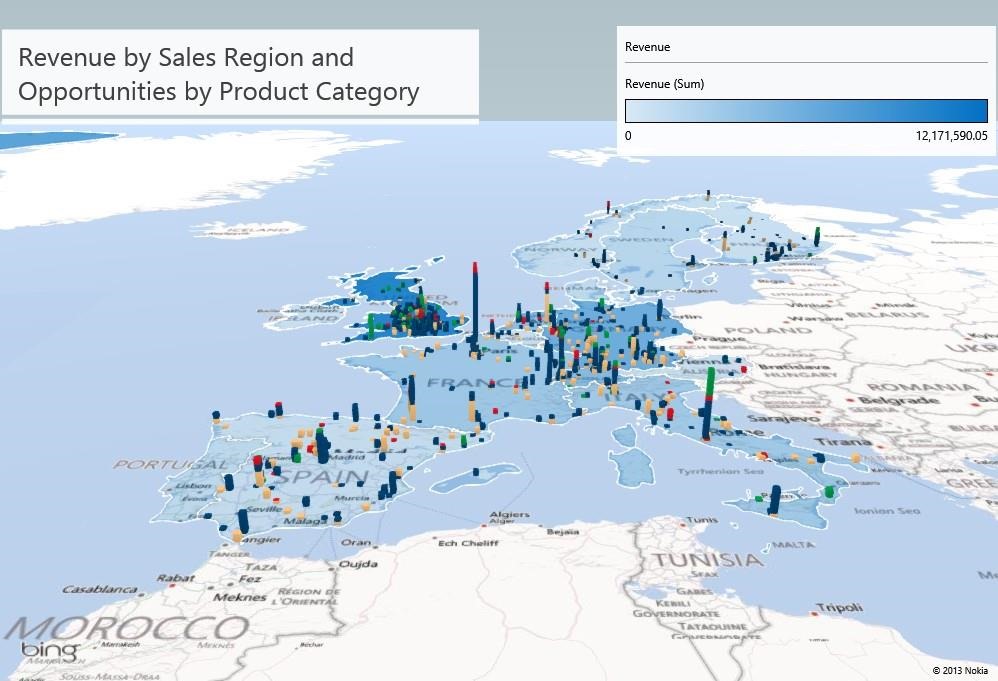
Power Map Preview meanwhile plots geographic and temporal data visually on Bing Maps. For example, you can see a 3D representation of a company’s revenue by sales region and opportunities by product category plotted by Bing:
This is just a quick glance at what’s new. If you’re a hard-core Power BI user, or if the above visualizations have caught your eye, you’ll want to get more details about what’s new in Power BI for Office 365 here and what’s new in Power BI in Excel here.
See also – Microsoft brings the Office Store to 22 new markets and adds intelligence tool Power BI to Office 365 and Microsoft launches GeoFlow for Excel, a tool for visualizing time-stamped 3D data built on Bing Maps
Top Image Credit: Stephen Brashear/Getty Images


Google announces a new Tech Hub Network, kicking off with 7 co-working spaces in North America

Almost a year to the day since Google launched Google for Entrepreneurs to keep a closer eye on startups around the world, the Internet giant has announced a new Tech Hub Network, kicking off initially with seven hubs in North America.
These are: 1871 (Chicago), American Underground (Durham), Coco (Minneapolis), Communitech (Waterloo), Galvanize (Denver), Grand Circus (Detroit) and Nashville Entrepreneur Center (Nashville), with Google adding that the partnerships are about creating “…a strong network, providing each hub with financial support alongside access to Google technology, platforms and mentors, and ensuring that entrepreneurs at these hubs have access to an even larger network of startups.”
And obviously, Google will be keeping a closer eye on the entrepreneurs and startups within, for tapping talent or simply promoting Google’s products.
➤ Google Blog | Igniting a new network: Meet our Tech Hub partners
Feature Image Credit – KIMIHIRO HOSHINO/AFP/Getty Images


Diminishing returns: Forget the specs and buy a smartphone based on how it makes you feel

For many years, high-end smartphones were judged and critiqued based predominantly on their specs. It’s understandable, given that hardware leaps used to have such a noticeable impact on their performance. Each new release was faster and more powerful than the last.
So when Motorola finally revealed the Moto X earlier this year, it didn’t take long for people to look beyond the colors and personalized design options and compare its internals with other high-end smartphones. The Moto X has mid-range specs and despite Motorola’s efforts to justify each component, many quickly denounced the handset’s relatively high price-point.
Defenders will claim that it’s the overall experience of a smartphone, not the internals, that truly matter. The counter-argument is that these people wouldn’t support or voice that opinion if the smartphone in question had cutting-edge specs. In short, a poor excuse for a problem that could and should have been fixed.
Specs aren’t everything
For a long time, I argued that specs mattered. What’s under the hood directly affects the user experience and while it isn’t the only contributing factor, it’s an important one that consumers are right to scrutinize with each new release. Hardware is an invaluable factor for trying to decide whether a product represents good value for money.
But I’ve changed my tune in the last year or so. Many of the latest smartphones are equipped with bleeding edge hardware, but the impact of these upgrades are becoming almost intangible.
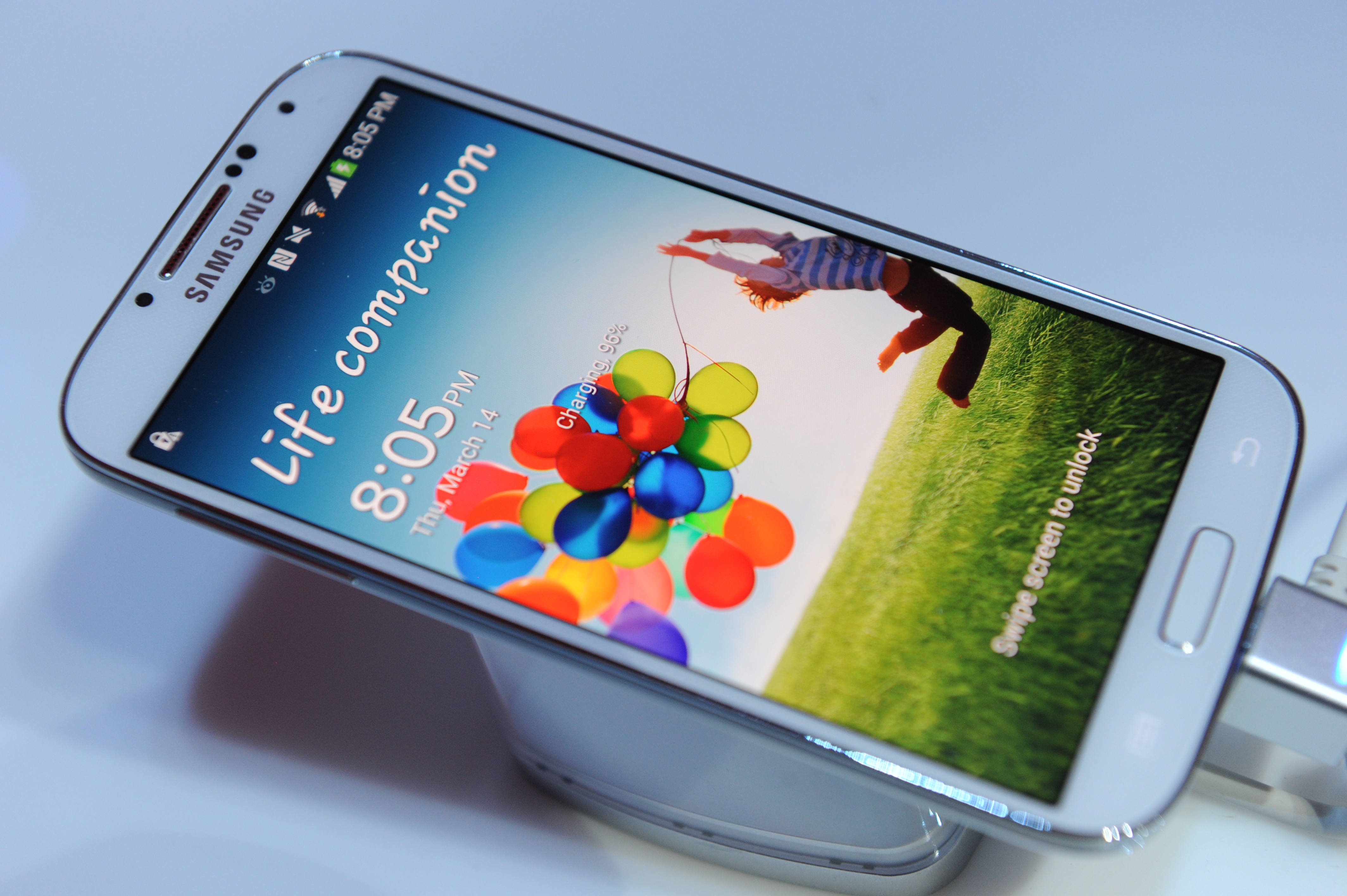
Compare the Samsung Galaxy S4 to last year’s model, the Galaxy S3. Would the average consumer notice the difference in performance? Would it change their perception of the handset, or improve their experience? I would argue not. The upgrades are an improvement – there’s no argument there – but the jumps each year are becoming smaller and smaller.
At this point, it’s diminishing returns.
An underwhelming iPhone reveal
I couldn’t help but feel underwhelmed when Apple first unveiled the iPhone 5s and 5c. I won’t deny that both handsets are outstanding; they’re some of the best smartphones that money can buy. But Apple’s presentation focused heavily on what was inside these two devices, such as the new A7 chip and M7 “motion co-processor” found in the iPhone 5s.
These are welcome improvements, but Apple struggled at times to explain how they would be of benefit to the average person. What tangible effects will a 64-bit chip introduce? Few people knew and so it was unsurprising that an article answering this very question quickly became The Next Web’s top story of the day. Yet even with that explanation, it just didn’t change the way I feel about the iPhone.
In comparison, everyone was hyped (myself included) about the fingerprint scanner and improved 8-megapixel camera in the iPhone 5s. Any new hardware feature will get people excited, but the scanner also resonated with consumers because it had an obvious application in the real world. In this case, better security and the abolition of passcodes.
Likewise, an all-new camera is an easy sell. Better photos, with a minimal amount of fuss, results in a better user experience.
A device that ‘just works’
Soon, we’ll think of smartphones in a similar manner to laptops and desktop PCs. The specs will still be important, given that we all want a machine that’s future proof for at least a few years. But as time goes on, we’ll just be looking for a piece of hardware that offers a great user experience.
That’s part of the reason why Apple has been so successful with the MacBook Air/Pro, iMac and Mac Pro. In terms of pure specs, they don’t offer particularly good value for money. Ask adopters why they bought them though, and they’ll reply: “It just works.”

It’s the experience that matters. A whole host of factors contribute to this, including the hardware aesthetics, software and marketing. Furthermore, upgraded internals only matter if they improve the final experience. If the benefit from a spec upgrade isn’t tangible, for most consumers it’s then relegated to a footnote in their buying decision.
Perhaps manufacturers will find a better way of explaining how these internal upgrades will impact the next generation of smartphones. A battery that genuinely lasts 24 hours. A camera sensor that records perfect low-light images. These upgrades can be appreciated by anyone and have clear implications for how we use smartphones on a day-to-day basis.
Above all else, it’s about the experience
Without these tangible benefits, the experience attributed to each smartphone will be prioritized. Similar to the car industry, incremental changes under the hood – improving the power, fuel consumption, safety features and so forth – will become secondary to our personal tastes.
Does it drive well?
Do I like the design?
How does it make me feel on a day-to-day basis?

All of this brings me back to the Moto X. Motorola needs to prove that its handset offers a user experience that is on par, or better than its competitors. If it can, and in regular day-to-day use it surpasses the Samsung Galaxy S4 or HTC One, who cares about the components under the hood?
In the future, I don’t want to trawl through endless benchmark tests every time I buy a new handset. Specs are important, but if you enjoy using a smartphone and it performs above and beyond your expectations, that should be the deciding factor. The experience and how it makes you feel.
Image Credit: DON EMMERT/AFP/Getty Images / Kevork Djansezian/Getty Images (2)


ZTE reveals plans for a new and improved Firefox OS smartphone, US launch expected first half of 2014
Chinese telecommunications giant ZTE is planning a new-and-improved Firefox OS smartphone, a company executive said yesterday, except this time it will sport a dual-core processor, larger screen, and a better user experience.
The Firefox OS ZTE Open went on sale in the US and UK for $79.99 last month, unlocked and initially exclusive to eBay, following its arrival in a handful of developing markets. The next handset is expected to land in the US in the first half of 2014, and will also be priced “at the lower end.”
Meanwhile, check out our hands-on with the ZTE Open and Alcatel One Touch Fire from Mobile World Congress earlier this year.
➤ TechHive | Second wave of ZTE Firefox OS phones to hit US next year
[via Engadget]
Feature Image Credit – STR/AFP/GettyImages


Roku launches new TV streaming boxes and brings Roku 3 to the UK and Ireland

Roku, makers of the streaming TV, film, music and gaming boxes, has today launched a new family of Roku devices and is bringing its top-of-the-line Roku 3 unit which has been available in the US since earlier in the year to the UK and Ireland.
The devices announced today include an updated Roku LT for the US market and new models called the Roku 1 and Roku 2, which along with the Roku 3 will be coming to the UK and Ireland. All UK-bound models (Roku 1, 2 and 3) see mostly small, incremental hardware upgrades from other models but with the addition of genuinely useful features.
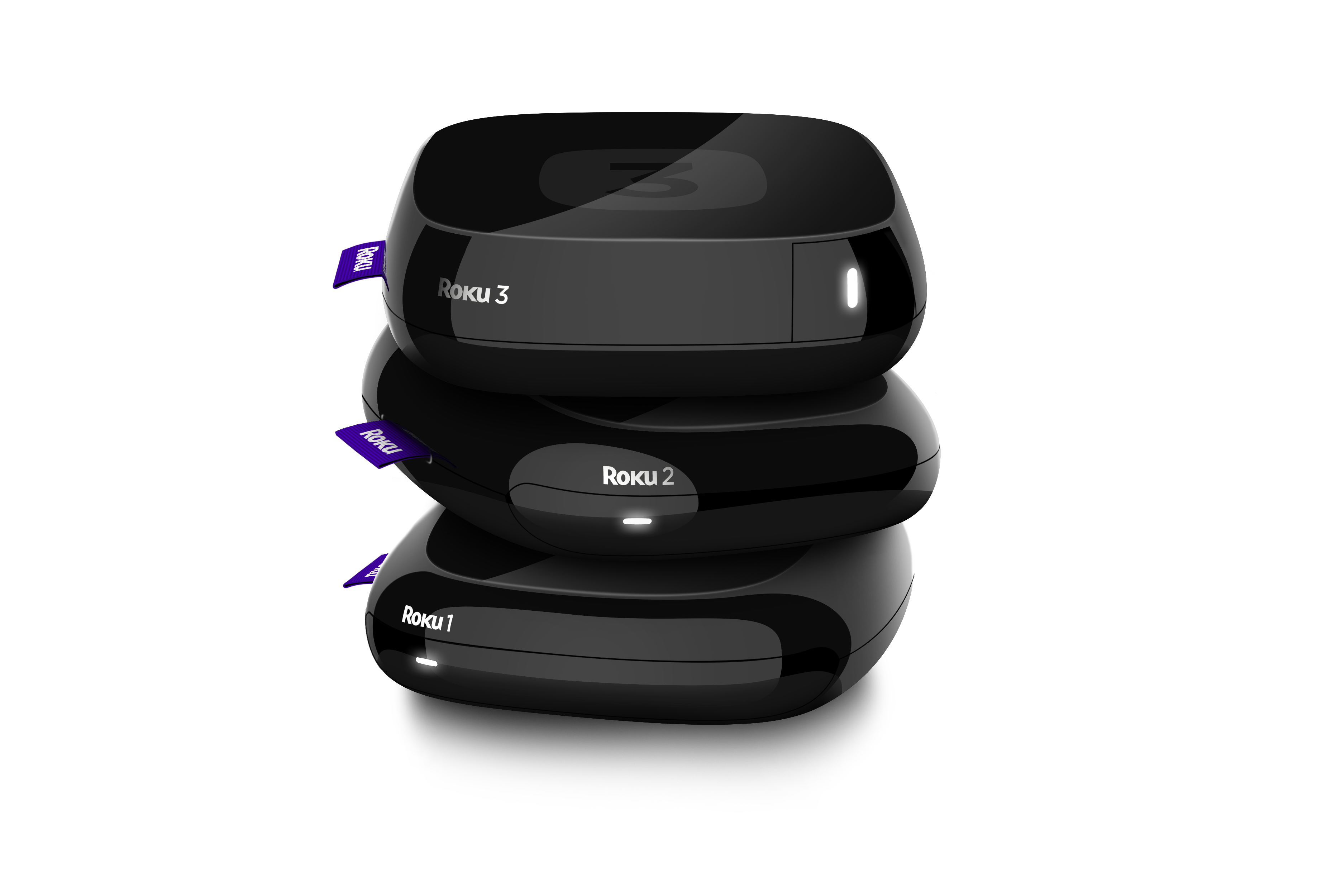
For example, while the Roku 1, 2 and 3 devices provide access to the Roku Channel Store – home to favorites like Netflix, BBC iPlayer, 4oD, and around 450 other content providers (selection depending on your location) – the Roku 1 now supports full 1080p content where the equivalent model previously maxed out at 720p. The US-bound entry-level Roku LT ($49.99) still has the same 720p max resolution restriction.
In fact, all three models support 1080p content now, so that’s one less distinguishing factor between each and it’s interesting that rather than pitch the Roku 1, 2 and 3 as low, medium and high-end models, they are all within £20/$20 of the next step up in the range but retain the same core feature set.
Stepping up from the Roku 1 (£59.99/€74.99/$59.99) to the Roku 2 (£79.99/€94.99/$79.99) brings most of the same features, albeit along with a slight bump in specs. However, more interestingly, it also brings a headphone socket to the controller to allow for TV viewing (or indeed games) without disturbing the rest of the household.
Stepping up to the Roku 3 (£99.99/€119.99/$99.99) brings another bump in things like processor and RAM, but also introduces motion sensitivity to the remote, allowing you to play games like Angry Birds on the big screen simply by wildly flailing your arms around.
Additionally, the Roku 3 also has an ethernet port and a USB port for connecting directly to a router and to an external storage device.
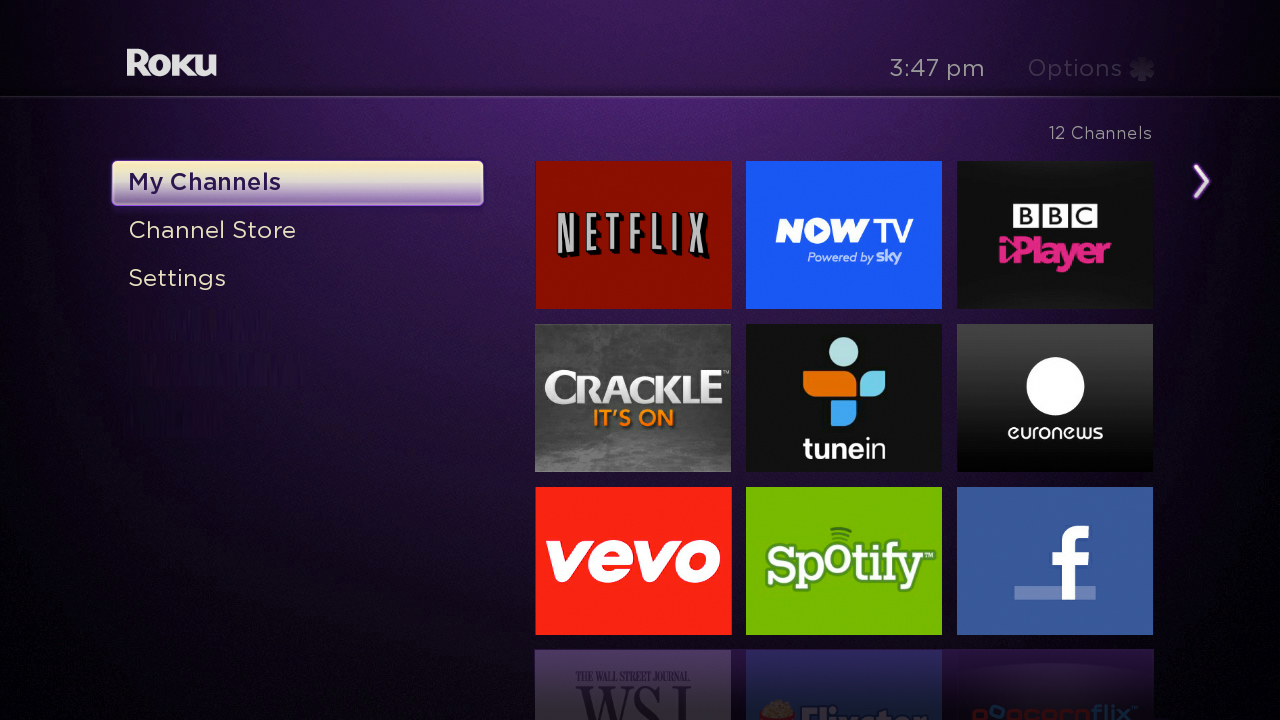
While the UI hasn’t been specifically refreshed for the UK, Ireland and Canadian availability of the devices, it did receive an update back in May to make navigation a little simpler and to ensure you spent less time scrolling around and more time watching.
Handily, and unlike the Roku-made but Sky-branded Now TV unit, the Roku boxes also have an accompanying app that allow you to control the devices and stream pictures and music directly to the TV.
Another benefit the Roku units have over the Sky Now TV box in the UK is that they offer access to Netflix, omitted from Sky’s offering on the grounds that it’s a direct rival for its streaming services.
The release sees the Roku 1 and 2 replace the Roku LT and the Roku 2XS boxes that came before them, with the most notable differences between them being the bump in display resolution to 1080p and the addition of a headphone socket on the remote on the Roku 2 model.
The Roku 3 is available to buy now, while the Roku 1 and Roku 2 are available to pre-order with release scheduled for next month.


Tuesday, 24 September 2013
Amazon announces the Kindle Fire HDX, its latest 7- and 8.9-inch tablets

Amazon has announced the Kindle Fire HDX, a new version of its Kindle tablet, which comes in 7- and 8.9-inch sizes.
The tablets run an updated version of its Fire operating system — version 3.0 is known as “Mojito,” and boasts ‘hundreds of updates — and are powered by a 2GHz quad-core processor from Qualcomm. The screen is an HDX display, with a pixel density of 339 ppi and 4 million pixels, it also boasts 100 percent sRGB color accuracy and dynamic image contrast.
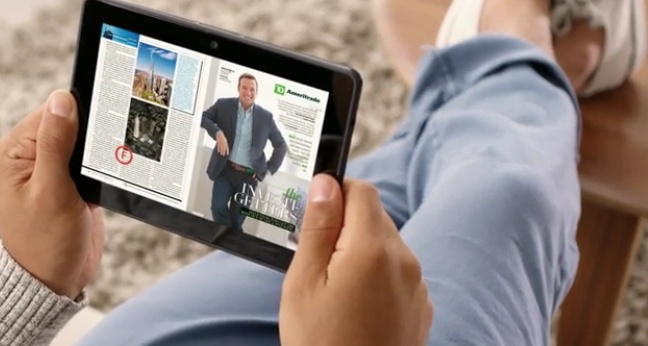
In addition to being around one-third lighter (the 8.9-inch tablet) than their predecessors, the new devices have an ‘all-day’ battery. In real terms, Amazon says that should give up to 11 hours of mixed use and 17 hours of reading time.
There’s something very unique about the devices too: the Mayday tech support button.
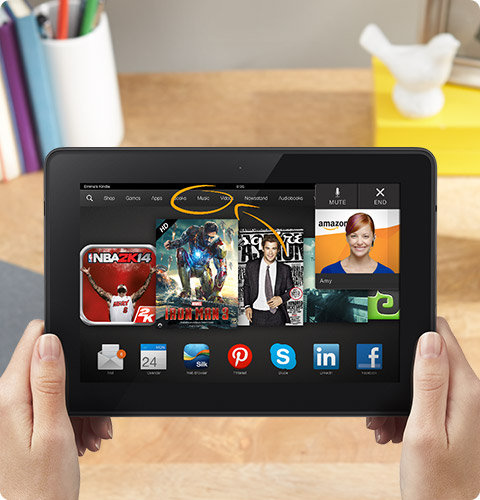
Like a kind of SOS alert, the button summons a member of Amazon’s tech support team to answer any queries via a video call. It’s a free feature and it is available 24 hours a day, the company says — think virtual Apple Genius Bar.
It isn’t just new hardware, the company is also launching new software and services for the devices. It’s Amazon Instant Prime is — following YouTube’s lead — by allowing users to download video content for consumption offline.
X-Ray for Music provides karaoke-style ‘follow-along’ lyrics on screen, while X-Ray for Movies and TV includes a wealth of information take from Amazon-owned film site IMDB. X-Ray also performs as a second screen feature for when content is playing on a TV or other screen.
User content is scooped up and synced by Cloud Collections, which keeps app, book, newspaper and magazine up to date across all of a user’s devices.
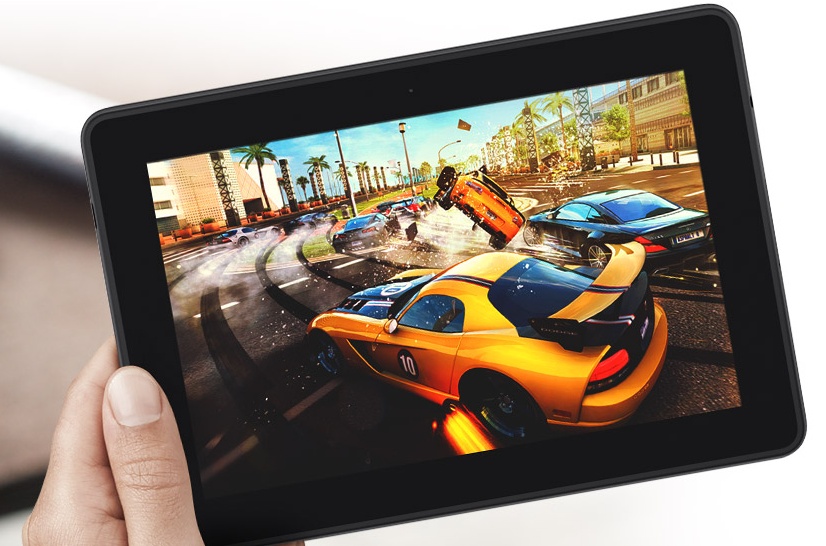
Price-wise, the 7-inch models starts at $229 (for 16GB) and $329 for an LTE-compatible device. The 8.9-inch variant costs upwards of $349, or $479 for the LTE-version. All are open for pre-order now.
The WiFi-only 7-inch model begins shipping on October 15, with the 4G versions starting a month later. The 8-9-inch Kindle HDX ships from November 7, or December if you want a 4G device.
Addition, the Kindle Fire HD has been given an upgrade — it now comes with an HD display, high-performance processor and dual speakers — and had its price slashed to $139.
Headline image via David McNew/Getty Images


Subscribe to:
Posts (Atom)